Streaming live sports or movies in 2026 should be smooth. But, many viewers face annoying spinning wheels during the best scenes. Finding a reliable iptv buffering solution android users can trust is key for a great night.
It feels like the web connection is the enemy when video freezes. This guide will show why these lags happen and how to stop them. One way to optimize a network with VPN settings is to stop ISP limits that slow streams.
A stable connection needs more than just high speeds. Proper device setup and small tweaks ensure clear frames. It is vital to reclaim the screen and enjoy lag-free shows today.
Key Takeaways
- Verify that the current internet speed meets 4K requirements.
- Clear the streaming app cache to remove junk data.
- Use a wired Ethernet connection for maximum stability.
- Apply specific VPN protocols like WireGuard for higher speed.
- Restart the router to refresh the local network connection.
- Close background applications to free up system memory.
Understanding the Root Causes of IPTV Buffering
To fix IPTV buffering on Android, we need to know why it happens. Buffering can come from many sources. So, it’s key to understand what’s causing it.
Network Congestion and Bandwidth Limitations
Network congestion is a big reason for IPTV buffering. When lots of devices use the same network, they share bandwidth. If there’s not enough bandwidth for everyone, streaming can slow down.
For example, if your internet is 50 Mbps and you need 25 Mbps for IPTV, other devices can cause problems. To solve this, check your internet speed and make sure it’s enough for IPTV.
For more tips on fixing IPTV buffering, visit this page. Knowing your bandwidth needs is important.
ISP Throttling and Traffic Shaping
ISP throttling is another big problem. Some ISPs slow down internet to manage traffic or target certain data. This can really hurt IPTV streaming quality.
To see if your ISP is throttling, try using a VPN or check online forums. For more help, check out the IPTV FAQ section.
Server-Side Limitations and Provider Quality
The quality of your IPTV provider matters too. Server-side limitations, like overloaded servers, can mess up streaming. If the provider’s servers can’t handle many users, you’ll get buffering.
| Provider Quality | Server Capacity | Buffering Likelihood |
|---|---|---|
| High | High | Low |
| Medium | Medium | Moderate |
| Low | Low | High |
Picking a good IPTV provider with strong servers can help a lot. Look for providers with good server capacity and read user reviews.
Optimizing Your Home Network for Seamless Streaming
To get the best out of IPTV streaming on Android, you need a strong home network. A good network setup is key to less buffering and a better viewing experience.
Positioning Your Router for Maximum Signal Strength
Where you put your router affects your IPTV streaming quality. Place it in the middle of your home for the best signal. Also, keep it away from other devices that might mess with the signal.
Tips for optimal router placement:
- Put the router in a central spot for even coverage.
- Don’t place it near walls or other things that block signals.
- Keep it away from other electronic devices.
Switching Between 2.4GHz and 5GHz Frequency Bands
Most routers work on both 2.4GHz and 5GHz bands. The 2.4GHz band covers more area but might get more interference. The 5GHz band is faster but doesn’t reach as far. For IPTV, use the 5GHz band if your device is close to the router to reduce iptv buffering on android.
Upgrading Hardware for Better Throughput
If buffering keeps happening, it’s time to upgrade your router or network gear. Newer routers, like those with Wi-Fi 6, perform much better. For tips on cutting down buffering, check out https://empire-metrics.com/reduce-iptv-buffering/.
Getting new network hardware is an easy way to make your IPTV streaming on Android better. This ensures android iptv streaming without buffering.
The Best IPTV Buffering Solution Android Users Need
Fixing IPTV buffering on Android is easy with a few steps. These steps can make your streaming much better. Android users can enjoy a smoother experience by following these simple fixes.
Clearing Cache and Data on Android IPTV Apps
To fix buffering on Android IPTV app, clear the app’s cache and data. Cached data can get corrupted or too big, causing problems. To do this, go to Settings, then Apps or Application Manager, pick the IPTV app, and choose ‘Clear Cache’ and ‘Clear Data’.
This action can fix problems caused by bad data. But remember, it logs you out of the app. So, you’ll need to log back in.
Adjusting Buffer Size Settings in Media Players
Changing the buffer size in media players can also help. A bigger buffer size helps during network slowdowns. It lets the player load more content ahead of time. You can find this setting in the media player’s preferences or settings menu.
In apps like TiviMate or IPTV Smarters, adjust the buffer size for better performance. For more help, check out https://empire-metrics.com/reduce-iptv-buffering/ for the best iptv buffering fix for android.
Updating Firmware and Application Versions
It’s important to keep your Android device and IPTV apps updated. Updates often improve performance and fix bugs. Check the Google Play Store for app updates and your device’s settings for firmware updates.
By keeping everything updated, you get the latest improvements. These are designed to make your IPTV experience on Android better.
Leveraging VPNs to Bypass ISP Throttling
Using a VPN is a great way to beat IPTV buffering on Android. Internet Service Providers (ISPs) might slow down your internet for streaming IPTV services like Lexonstream IPTV. This can cause annoying buffering problems.
ISP throttling can really mess up your streaming. A VPN encrypts your internet traffic. This makes it hard for ISPs to slow down your connection based on what you’re doing online.
Why VPNs Prevent Intentional Speed Reductions
A VPN routes your internet through a secure server. It encrypts your data and hides your IP address. This makes it hard for ISPs to slow down your IPTV streaming.
Key benefits of using a VPN include:
- Encryption of internet traffic, making it difficult for ISPs to identify and throttle IPTV streaming
- Masking of IP addresses, providing a layer of anonymity and security
- Access to geo-restricted content by connecting to servers in different locations
Selecting Protocols for Faster Streaming Performance
Not all VPN protocols are the same when it comes to streaming. Some focus more on security, while others aim for a balance between speed and security.
Popular VPN protocols for streaming include:
- WireGuard: Known for its speed and efficiency
- OpenVPN: Offers a good balance between security and performance
- UDP: Generally faster than TCP, but may be more prone to packet loss
Choosing Servers Closer to Your Geographic Location
The distance to your VPN server affects your streaming. A server near you can cut down on latency and boost streaming quality.
When selecting a VPN server:
- Opt for servers that are geographically close to you
- Consider the server’s load and capacity to ensure it can handle your streaming needs
Using a VPN to avoid ISP throttling can make your IPTV streaming on Android better. It works with services like Lexonstream IPTV. A VPN can help reduce buffering and improve your viewing experience.
Configuring DNS Settings for Faster Resolution
DNS settings are key to better IPTV streaming on Android devices. They help cut down buffering and improve your viewing. DNS translates domain names into IP addresses, making devices and servers talk to each other.
For IPTV, the right DNS settings mean faster and more stable connections. This makes your streaming smoother.
Benefits of Switching to Public DNS Providers
Using public DNS providers like Google DNS and Cloudflare DNS has many advantages. They offer quicker resolution times than ISP DNS servers. This is because they have a bigger network and better caching.
Google DNS is known for its speed and reliability. It’s a top pick for those wanting faster internet and streaming.
To learn more about why IPTV buffering occurs and how to address it, you can visit this resource for additional tips and insights.
Changing Network Settings on Android TV Devices
To change DNS settings on Android TV devices, you need to access network settings. Then, manually set the DNS servers. This involves going to Wi-Fi settings, picking your network, and choosing “Static IP” or “Advanced” to input DNS server addresses.
For example, you can use Google’s public DNS (8.8.8.8 and 8.8.4.4) or Cloudflare’s DNS (1.1.1.1 and 1.0.0.1).
Testing Connection Latency After DNS Changes
After changing DNS settings, test the connection latency. This ensures the new settings work well. Use network diagnostic tools to measure latency and compare it to before.
Lower latency means a faster and more responsive connection. This is important for smooth IPTV streaming. Tools like Pingtest.net can show how well your DNS changes are working.
By tweaking DNS settings, Android IPTV users can enjoy better streaming. This includes less buffering and lag. It’s a simple change that can greatly improve IPTV service quality.
Evaluating IPTV Service Quality and Provider Reliability
For Android users, checking IPTV service quality and provider reliability is key. A good IPTV service means you can watch your favorite shows without any hitches.
Identifying Signs of Overloaded IPTV Servers
To judge an IPTV service’s quality, look for signs of overloaded servers. These issues can cause buffering, slow playback, and poor video quality. Signs include a lot of buffering, low video quality, and service problems during busy times.
Comparing Lexonstream IPTV and Other Reliable Services
When looking at IPTV services like Lexonstream IPTV and others, consider several things. These include the number of channels, video quality, server uptime, and customer support.
Testing Your Connection Speed Against Provider Requirements
It’s important to check your internet speed against what your IPTV provider needs. Providers usually say what speed you need for smooth streaming.
| IPTV Service | Channels Offered | Video Quality | Server Reliability |
|---|---|---|---|
| Lexonstream IPTV | 1000+ | Full HD | High |
| Service A | 500+ | HD | Medium |
| Service B | 2000+ | 4K | High |
Android users can make better choices by checking IPTV service quality and provider reliability. This means spotting overloaded server signs, comparing services, and checking internet speed against provider needs.
Advanced Android System Tweaks to Reduce Lag
Advanced tweaks on Android can greatly help in reducing lag and improving IPTV streaming quality. By optimizing your device, you can enjoy smoother and more reliable streaming.
Managing Background Processes and Resource Usage
Background processes can affect IPTV streaming on Android devices. To manage them well:
- Access your device’s developer options by going to Settings > About phone and tapping the Build number seven times.
- Once in developer options, navigate to the “Running services” or “Background processes” section.
- Identify and stop any unnecessary services that are consuming resources.
This will free up resources for your IPTV app, possibly reducing buffering.
Disabling Unnecessary System Animations
System animations are nice but can slow down your device. To disable them:
- Go to the developer options as described above.
- Look for the “Window animation scale,” “Transition animation scale,” and “Animator duration scale” options.
- Set each of these to “Animation off” or “0.5x” to reduce their impact on performance.
Disabling or reducing these animations can make your device more responsive. It may also improve IPTV streaming performance.
Utilizing Ethernet Connections Over Wi-Fi
Using an Ethernet connection can provide a more stable and faster connection than Wi-Fi. Many Android devices support Ethernet via USB-C adapters or other accessories.
To set up an Ethernet connection:
- Purchase a compatible USB-C to Ethernet adapter.
- Connect the adapter to your Android device and Ethernet cable.
- Your device should automatically detect the Ethernet connection, potentially improving your IPTV streaming experience.
For more tips on improving your streaming experience, you can refer to resources like Comparitech’s guide on stopping Kodi buffering, which shares some relevant insights applicable to IPTV as well.
Choosing the Right Media Player for Android
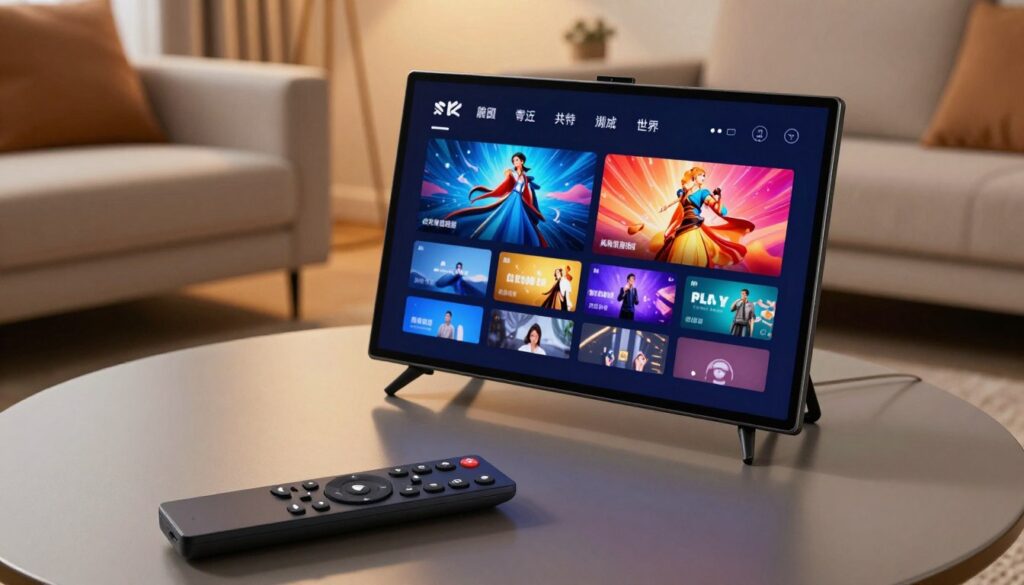
To cut down on IPTV buffering on Android, choose a media player made for streaming. The right one can make watching videos smoother and faster.
For IPTV streaming on Android, TiviMate and IPTV Smarters are top picks. Each has its own good points and areas for improvement.
Comparing Performance of TiviMate and IPTV Smarters
TiviMate is easy to use and packed with IPTV features. It has great EPG support and lets you customize your experience. IPTV Smarters, on the other hand, works well with many streaming types.
TiviMate is better for IPTV, with features like playlist management. IPTV Smarters is more versatile, supporting many IPTV services and formats.
Optimizing Hardware Decoding Settings
It’s key to set up hardware decoding for smooth playback. TiviMate and IPTV Smarters let you do this, which cuts down CPU use and boosts video quality.
Turning on hardware decoding can lessen buffering and improve video quality. Make sure to check your media player’s settings for this feature.
Managing Multi-Stream Playback Limitations
Handling multiple streams is vital for IPTV streaming on Android. Some players can’t handle many streams at once, causing buffering.
Look at your media player’s specs to see what it can handle. Some support many streams, while others only one. Adjusting stream numbers can help avoid buffering.
Troubleshooting Common Android IPTV Buffering Issues
When IPTV buffering issues happen on Android devices, fixing common problems can make streaming better. Buffering can be due to many reasons. These include third-party security apps, IP address conflicts, and slow performance.
Identifying Conflicts with Third-Party Security Apps
Third-party security apps can sometimes block IPTV streaming, causing buffering. To find out if a security app is the problem, try disabling or uninstalling these apps. See if the buffering stops.
- Look for any new security apps that might be blocking your IPTV service.
- Turn off or remove these apps to test if they cause the buffering.
- If the issue goes away after disabling the security app, adjust the app settings to let your IPTV work.
Resolving IP Address Conflicts on Local Networks
IP address conflicts happen when devices on the same network use the same IP address. This can cause connectivity problems and buffering. To fix this, restart your router or set your device to use a static IP address.
| Step | Description |
|---|---|
| 1 | Restart your router to refresh the IP address assignments. |
| 2 | Check your device’s IP address settings to ensure it’s not conflicting with another device. |
| 3 | Consider setting a static IP address for your Android device to avoid future conflicts. |
Performing Factory Resets for Persistent Performance Lags
If IPTV buffering issues keep happening, a factory reset on the Android device might be needed. This step is serious, as it will delete all data on the device.
Before doing a factory reset, make sure to back up any important data. For IPTV Smarters users, check out https://iptvwar.com/what-is-iptv-smarters-your-guide-to-iptv-streaming/ for help on setting up your app after the reset.
By fixing common issues like security app conflicts, IP address problems, and slow performance, Android users can greatly reduce IPTV buffering. This makes streaming smoother and more enjoyable.
Conclusion
IPTV buffering on Android devices can be really annoying. But, knowing the causes and fixing them can solve the problem.
Improving your home network, using VPNs, and setting up DNS can help a lot. It’s also important to check the quality of your IPTV service and the provider’s reliability.
Choosing the right media player and tweaking Android settings can make streaming smooth. Keeping your system updated, managing background processes, and using Ethernet connections can also improve your streaming quality.